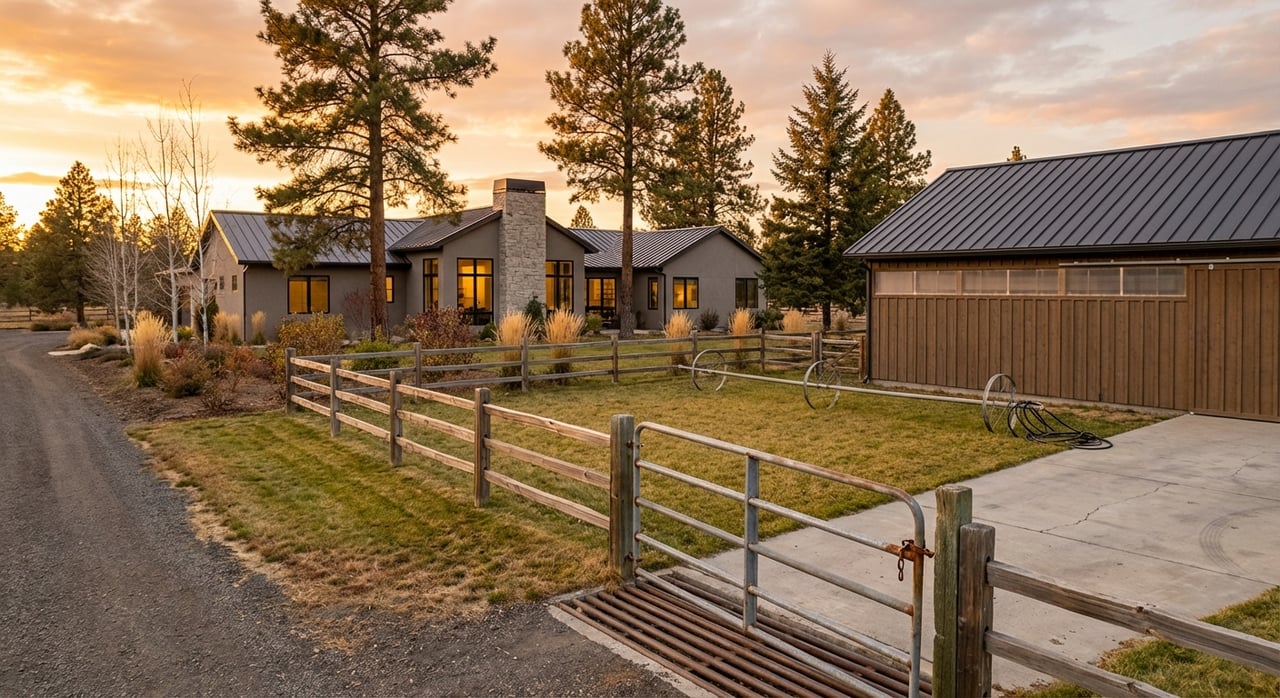
Craving elbow room without giving up easy trips into Boise? Star and Middleton offer space for shops, trailers, gardens, and even horses while keeping you close to daily conveniences. If you are picturing a quiet lane, a big sky, and a home with room to breathe, this guide is for you. You will learn what “acreage” typically means here, how water and irrigation work, what to check for wells and septic, and how to plan your commute. Let’s dive in.
Where acreage fits near Boise
Star sits on the northwest edge of the Boise metro in Ada County, while Middleton lies farther west in Canyon County. Both towns are part of the Treasure Valley commuter area, which means you can enjoy a rural feel without feeling remote. From Star, many commuters report roughly 20 to 30 minutes into central Boise depending on route and traffic, while Middleton is noticeably farther west. Key routes include State Highway 44, Star Road to Chinden Boulevard, and I‑84 for longer trips. Ongoing corridor projects in and around Star can improve capacity and active transportation in coming years. You can track project updates through the city’s page for ITD construction and closures.
Parcel sizes and options
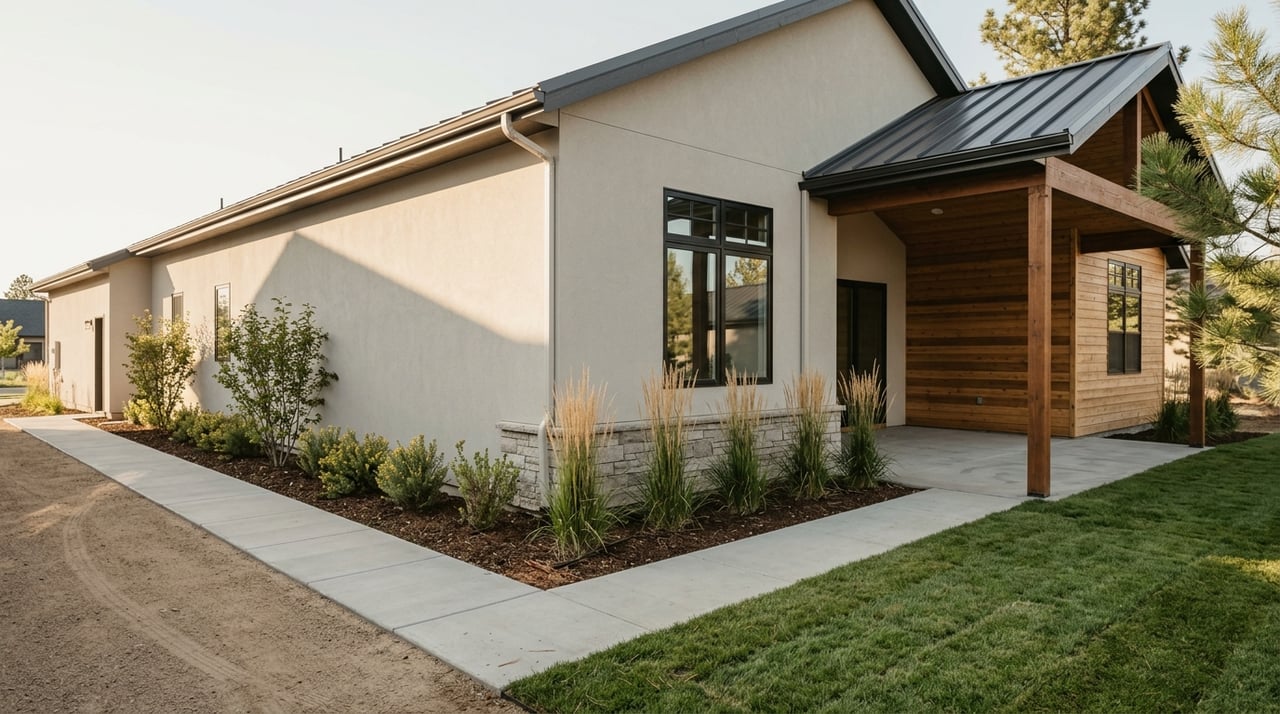
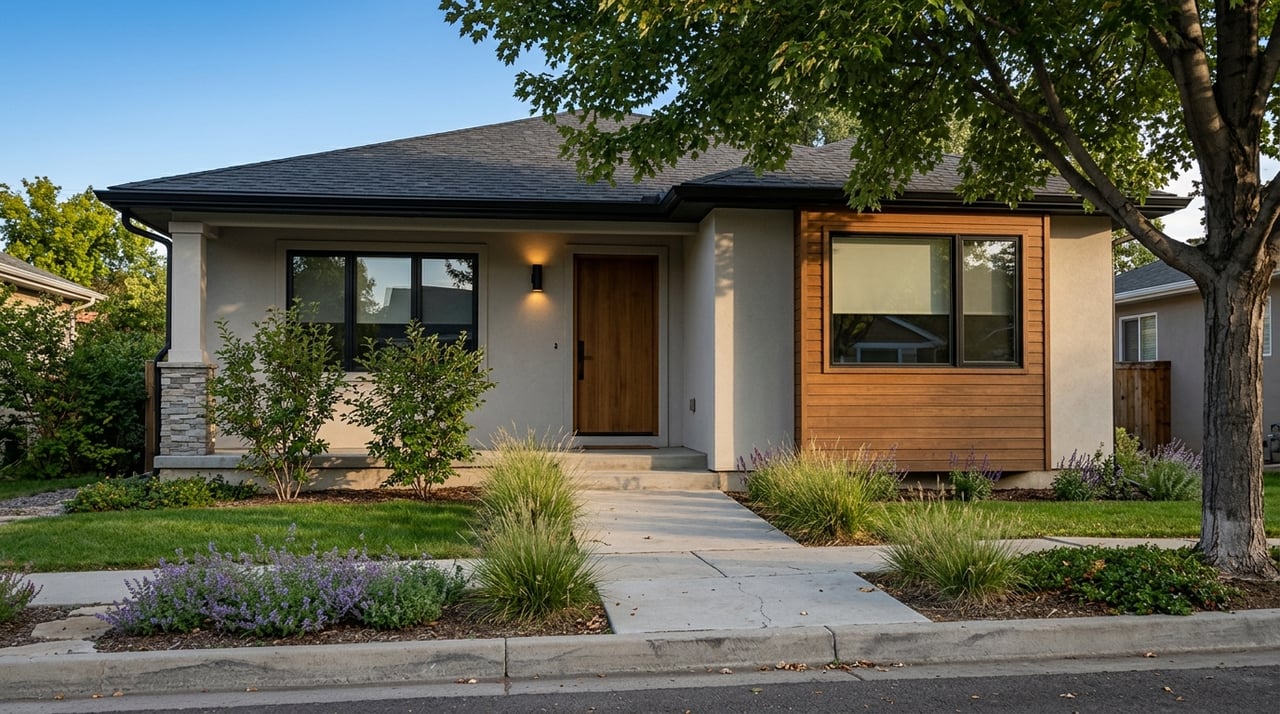
When people say “acreage” here, they may mean anything from a large suburban lot to a small farm. On the suburban edge, estate‑style homesites often range from about a quarter acre to nearly one acre. As an example, Middleton communities sometimes advertise roughly one‑third acre lots designed for larger homes and garages. You can see how builders market this lifestyle by browsing a Middleton neighborhood like Crossings at Meadow Park.
If you want more space for a shop, animals, or gardening, the 1 to 5 acre range is common in semi‑rural pockets around both towns. These properties often support a primary home plus outbuildings, paddocks, and RV storage. Larger tracts, from 5 acres to 40 or more, appear less often close to town but can still be found, especially west of Star and around Middleton.
Zoning and jurisdiction basics
Star and Middleton fall under different cities and counties, and that matters for what you can do with a property. A parcel might be inside city limits, in a county’s Area of City Impact, or fully under county jurisdiction. Allowed uses, minimum lot sizes, and the path to any future annexation depend on that status. Before you make an offer, confirm the exact jurisdiction and zoning district with the appropriate planning office.
Water, wells, and septic
Utility setups vary widely with acreage. In many newer subdivisions, you may have municipal water and sewer, along with pressurized irrigation for landscaping. On true rural parcels, expect a private well for domestic water and a septic system for wastewater. As part of due diligence, request the well log, permit information, any recent pump test results, and water‑quality data. For septic, ask for permit records and as‑built drawings, and understand that new systems or repairs require permits and inspections.
Irrigation and water rights 101
Surface irrigation is part of the landscape here. Many ranchettes and farm parcels are served by local ditch companies or irrigation districts. In the Middleton and Star corridor, irrigation water delivery is seasonal, typically spring through fall, and you will see assessments billed either to the owner or sometimes an HOA. Shares are often tied to the land and cannot be sold separately. Some subdivisions use pressurized urban irrigation to reduce demand on domestic wells. Always verify if water comes by open ditch or a pressurized system, who holds the shares, and what fees you should expect.
Outbuildings and typical layouts
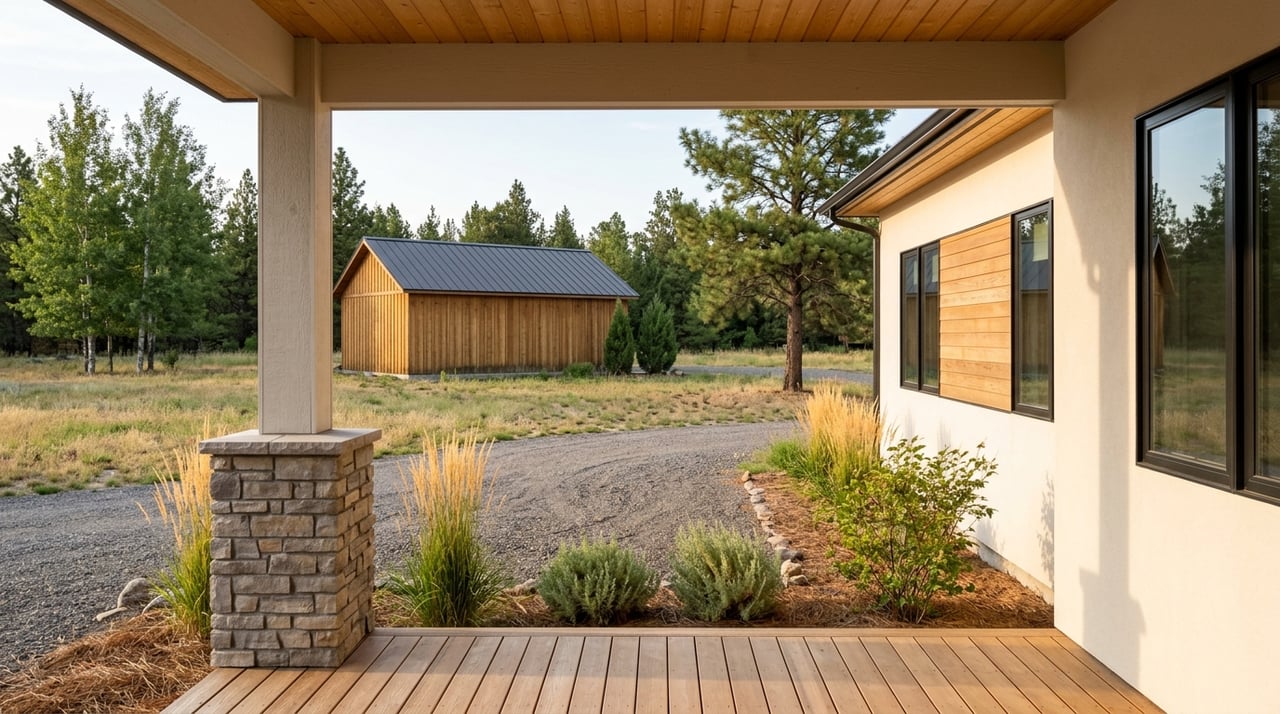
On estate lots, you often see 3‑car garages, RV bays, and occasionally a small insulated shop. On 1 to 5 acre hobby properties, common improvements include a post‑frame shop, hay storage, a small barn or loafing shed, and fenced paddocks. Larger tracts may include machine sheds, hay barns, and equipment for field irrigation. Most enclosed shops, barns with foundations, and any structures with electrical or plumbing require building permits and inspections, so it is smart to confirm what was permitted and when.
Daily life, commutes, and services
Star and Middleton feel like small towns that connect easily to regional services. Star has a compact downtown with everyday staples like independent grocers and a local hardware option, while Middleton offers local dining and retail. For big‑box stores and larger shopping clusters, you will likely head into Meridian, Nampa, or Caldwell. Many buyers appreciate that balance of space at home with quick drives for errands.
Schools overview
School assignments depend on the exact address and can change with growth. Star addresses are commonly within the West Ada School District. Middleton addresses are served by the Middleton School District. Always confirm current boundaries directly with the district before you buy.
Smart due‑diligence checklist
Use this quick checklist to protect your interests and plan your budget.
- Confirm jurisdiction and zoning. Identify whether the parcel is in city limits, a county Area of City Impact, or fully unincorporated, and verify allowed uses and lot standards with planning. Start with Ada County’s comprehensive planning resources for context: Ada County planning and comprehensive plans.
- Verify domestic water. If there is a private well, request the well log, permit, pump test, and any water‑quality results. Idaho regulates well drilling and permitting. Review the governing statutes through Idaho Code on wells and drilling.
- Check septic system status. Ask for the septic permit and as‑built map, and confirm inspection or pumping history. Permit forms and guidance are available from Central District Health.
- Research irrigation water. Determine whether the parcel receives ditch water or pressurized urban irrigation, who holds the shares, how assessments are billed, and the delivery season. For Middleton‑area ditch companies, review policies from the Middleton Irrigation Association. For subdivisions served by a district, learn how pressurized urban irrigation works via Nampa & Meridian Irrigation District FAQs.
- Verify permits for outbuildings. Confirm building, electrical, and mechanical permits for shops and barns, and check setbacks, easements, or floodplain notes. Start with Canyon County’s official site for permit contacts and records if you are in that jurisdiction.
- Assess access and road care. Determine whether your road is public or private, who maintains it, and how winter access is handled. Review recorded easements on the plat or deed, and confirm any private road agreements.
- Review HOA and CCRs. If the property is in a subdivision, ask for HOA documents, rules on shops and RV parking, and whether the HOA holds irrigation shares.
- Test commute times. Use live mapping during your typical driving hours to gauge real‑world travel times along State Highway 44, Chinden, and I‑84. Check the city’s ITD construction updates for planned changes.
Ready to explore acreage that fits your lifestyle and plans? From understanding irrigation shares to evaluating well and septic records, you can count on local guidance tailored to ranch, equestrian, and estate‑lot properties. If you want help narrowing the right area, vetting parcels, and touring in person or virtually, connect with The Shriner Group. We will walk you through every step.
FAQs
What does “acreage” usually mean in Star and Middleton?
- It ranges from larger estate lots around a quarter to one acre up to 1 to 5 acre hobby properties and, farther out, 5 to 40 plus acre tracts that support small‑scale farming or equestrian use.
How do irrigation shares and assessments work for acreage?
- Many parcels receive seasonal surface water from a ditch company or district, with shares tied to the land and assessments billed to the owner or HOA, so you should confirm delivery method, share holder, and annual fees.
What should you check about wells and water quality?
- Ask for the well log, permit, recent pump test, and any water‑quality results, and confirm the system’s age and service history to plan for maintenance or upgrades.
Are RV garages and shops common on estate lots?
- Yes, many estate‑style subdivisions near Star and Middleton offer oversized garages, RV bays, or small shops, and you should verify HOA rules and permits for any added structures.
How long is the commute from Star or Middleton to Boise?
- From Star, many commuters plan for roughly 20 to 30 minutes depending on route and traffic, while Middleton is farther west and typically adds time, so test your drive during peak hours.