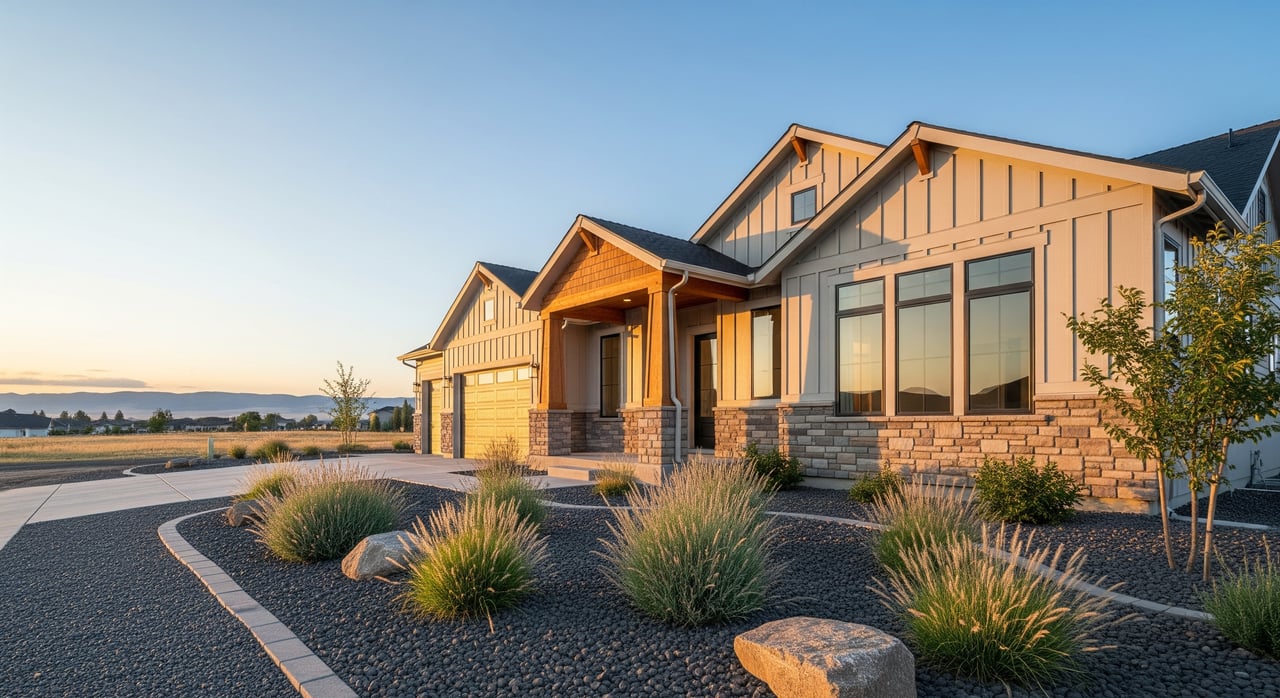
Thinking about buying a new build in Kuna to hold as a rental? You want predictable cash flow, low maintenance, and a path to long-term returns. The right property and finish choices can help you get there, but only if you understand demand, timelines, and your upgrade strategy. This guide breaks down what drives rentals in Kuna, how long new construction takes, which finishes renters value, and how to choose between turnkey and light-upgrade approaches. Let’s dive in.
Why Kuna appeals to renters
Kuna sits within the Boise metro, so its rental demand often tracks broader regional trends. Many renters choose Kuna for suburban living with access to Boise and Meridian job centers. Population growth in the area adds steady demand, which you can see in U.S. Census QuickFacts for Kuna and Ada County.
Employment growth in the Boise region is another driver. Regional labor data from the Bureau of Labor Statistics for the Boise metro provides context on job trends that support household formation and renting. For rent context, metro-wide indicators from sources like Apartment List’s national rent data help you track seasonality and momentum.
Metro trends guide local outcomes
Kuna’s vacancies and rent growth often mirror the Boise metro. When the metro accelerates, demand tends to spill into Kuna due to relative affordability. When the metro cools, Kuna usually softens more gradually. This relationship is useful when you model rents and lease-up timelines for a new build.
Watch the supply pipeline
New construction supply affects rent growth and vacancy risk. County-level permit activity offers a clear signal of what inventory may be coming to market. Review the U.S. Census Building Permits Survey for Ada County to see whether single-family permits are rising or easing.
If permits and developer activity are ramping, plan for slightly longer lease-up times and tighter rent comps. If supply is constrained, you may see faster lease-ups and steadier rent growth. Pair permit trends with on-the-ground observations in Kuna subdivisions to understand how quickly builders are delivering and how those homes are leasing.
How long new builds take
For most single-family production builds in Kuna, expect roughly 6 to 9 months from permit to certificate of occupancy under normal conditions. Custom homes can run 9 to 12 months or more. Duplexes or small multifamily often need 12 to 18 months due to site work and complexity. Add 2 to 6 weeks after occupancy for final punch list, landscaping, and lease-ready prep.
Several factors can speed up or slow down delivery:
- Permit processing at the City of Kuna and Ada County.
- Utility availability and subdivision infrastructure.
- Builder backlog and subcontractor availability.
- Weather, which can delay exterior work.
Before you commit to a timeline, check current procedures and contact information through the City of Kuna. When your schedule is tight, build in a buffer for inspection cycles and trade availability.
Finish choices that rent well
Your finish package shapes rentability, operating costs, and turnover. In a suburban market like Kuna, durable mid-tier finishes usually hit the sweet spot for appeal and lifecycle value.
- Flooring: Luxury vinyl plank (LVP) is a common rental choice. It is durable, easy to clean, and attractive to a wide range of tenants. Carpet can reduce upfront cost but may increase turnover expense.
- Kitchen and counters: Quartz or solid-surface counters and stainless appliances offer perceived quality and lower maintenance than basic laminate. Moderate upgrades tend to outperform ultra-luxury in rent-to-cost.
- HVAC and efficiency: Efficient systems, good insulation, and programmable thermostats cut utility use and are marketable features. Plan for typical equipment lifespans over your hold period based on U.S. Department of Energy guidance.
- Water heater and plumbing: Standard tank heaters often need replacement sooner than tankless, which have a higher upfront cost but longer life.
- Exterior and yard: Low-maintenance landscaping with drip irrigation fits Idaho’s climate and reduces upkeep. Usable yard space and a garage add functional value for many renters.
- Smart home basics: Smart locks and Wi-Fi thermostats are low-cost upgrades that simplify turnovers and add appeal.
Think in lifecycle terms. A slightly higher upfront spend on durable finishes can reduce maintenance calls and turnover, which supports steadier cash flow over 5 to 10 years.
Two strategies: turnkey vs light-upgrade
Both strategies can work in Kuna. Your hold period, capital budget, and risk tolerance should guide your choice.
Turnkey strategy
- Pros: Higher initial rent potential, smoother marketing, lower early vacancy risk, and strong appeal to renters who want a “new” experience.
- Cons: Higher upfront capital and future replacement costs. If the rent premium is modest, short-term cash-on-cash can look thinner.
Light-upgrade strategy
- Pros: Lower initial capital outlay and flexibility to upgrade later based on market feedback. This can boost early cash-on-cash.
- Cons: You may see slower rent growth until you complete upgrades. Very basic finishes can raise turnover or make you less competitive against nearby new homes.
Use simple breakeven math
You can test upgrades with a quick formula:
- Breakeven years = Upgrade cost / (Monthly rent premium × 12)
Illustrative examples:
- Example 1: You spend $6,000 to install LVP and upgrade appliances. If it supports a $75 per month rent lift, breakeven is about 6.7 years. If your hold is 10+ years, this can pencil.
- Example 2: You add quartz counters for $3,500 and see a $40 per month premium. Breakeven is about 7.3 years. If you plan a shorter hold, it might fit a staged-upgrade plan instead.
Numbers vary by subdivision and competition. Pull true comps of new-construction rentals near your target neighborhood before deciding.
Which strategy fits you
- Long-term hold with a focus on low turnover: Consider turnkey with durable mid-tier finishes. You trade higher upfront spend for smoother lease-up and predictable operations.
- Shorter hold or value-add focus: Consider a light-upgrade approach and plan to add the most visible upgrades at first turnover based on rent feedback.
Risk management must-haves
Protect your downside while you focus on returns:
- Confirm builder warranties and what transfers to you as the landlord. Track timelines for builder and manufacturer coverage.
- Budget reserves. A common approach is to keep 1 to 3 percent of property value per year in capital reserves, or use a per-system schedule that matches expected lifespans.
- Verify HOA, city, and county rules for rental use. If you consider short-term renting, check City of Kuna and Ada County rules.
- Follow Idaho landlord-tenant requirements for notice, habitability, deposits, and evictions. Idaho is considered landlord-friendly relative to some states, but you should consult Idaho law or a local attorney for specifics.
What to check before you buy
Use this checklist to pressure-test a Kuna new-construction rental:
- Demand: Review U.S. Census QuickFacts for Kuna and Ada County for growth context. Cross-check Boise metro employment trends with the BLS Boise MSA profile.
- Rents: Track Boise metro rent trends using sources like Apartment List’s national rent data and validate with local property managers.
- Supply: Scan the U.S. Census Building Permits Survey for Ada County to see if new supply is accelerating.
- Timeline: Confirm builder lead times, trade availability, and permit processes through the City of Kuna.
- Taxes and costs: Check assessed values, likely tax impacts of new construction, and exemptions through the Ada County Assessor. Build a reserve plan for equipment and finish lifespans.
- Finish package: Prioritize durable mid-tier finishes such as LVP, quartz or solid surface counters, stainless appliances, smart locks, and low-maintenance landscaping.
- Upgrade math: Run the breakeven formula on any optional upgrades. If you will hold past the payback period, the upgrade may be worth it.
Work with a local advisor
New construction in Kuna can be a smart rental play if you align timelines, finishes, and strategy with real market signals. If you want help sourcing the right subdivision, verifying builder timelines, or pressure-testing rent comps, reach out to The Shriner Group. We combine local expertise with concierge service to help you make a confident, data-aware investment decision.
FAQs
Is new construction in Kuna a good long-term rental strategy?
- It can be, especially if you choose durable mid-tier finishes, budget for realistic timelines, and track Boise metro demand and supply using sources like the U.S. Census Building Permits Survey and BLS Boise MSA data.
How long from purchase to first rent for a new build in Kuna?
- For most single-family production homes, plan for 6 to 9 months to completion plus 2 to 6 weeks for punch list and lease-ready prep, with longer timelines for custom or multifamily builds.
Which finishes offer the best ROI for Kuna rentals?
- Durable mid-tier choices like LVP flooring, quartz or solid-surface counters, stainless appliances, smart thermostats, and low-maintenance landscaping generally balance rent appeal with lower lifecycle costs.
How do Ada County permits affect my rental returns in Kuna?
- Rising permits can signal more supply ahead, which may increase competition and lengthen lease-up. Track county trends in the Building Permits Survey and adjust rent and vacancy assumptions accordingly.
Where can I track Boise metro rent trends that influence Kuna?
- Check recurring Boise metro updates from national services such as Apartment List’s rent data and pair them with local property manager feedback for on-the-ground accuracy.