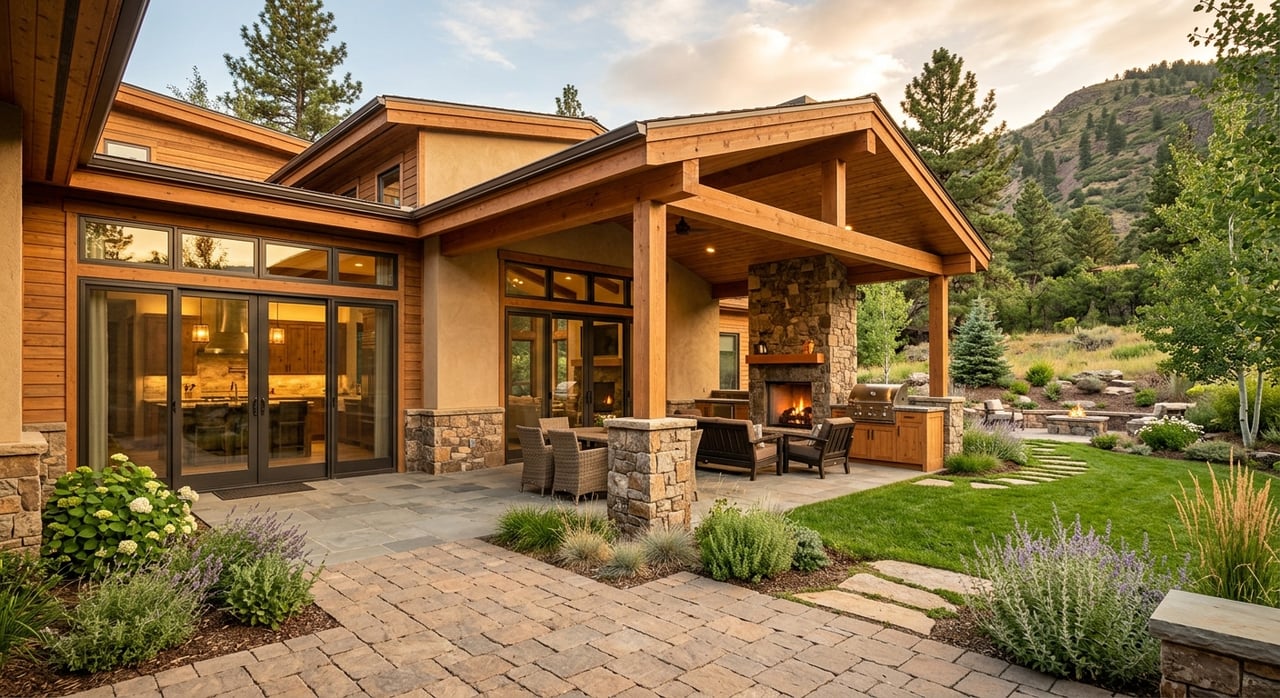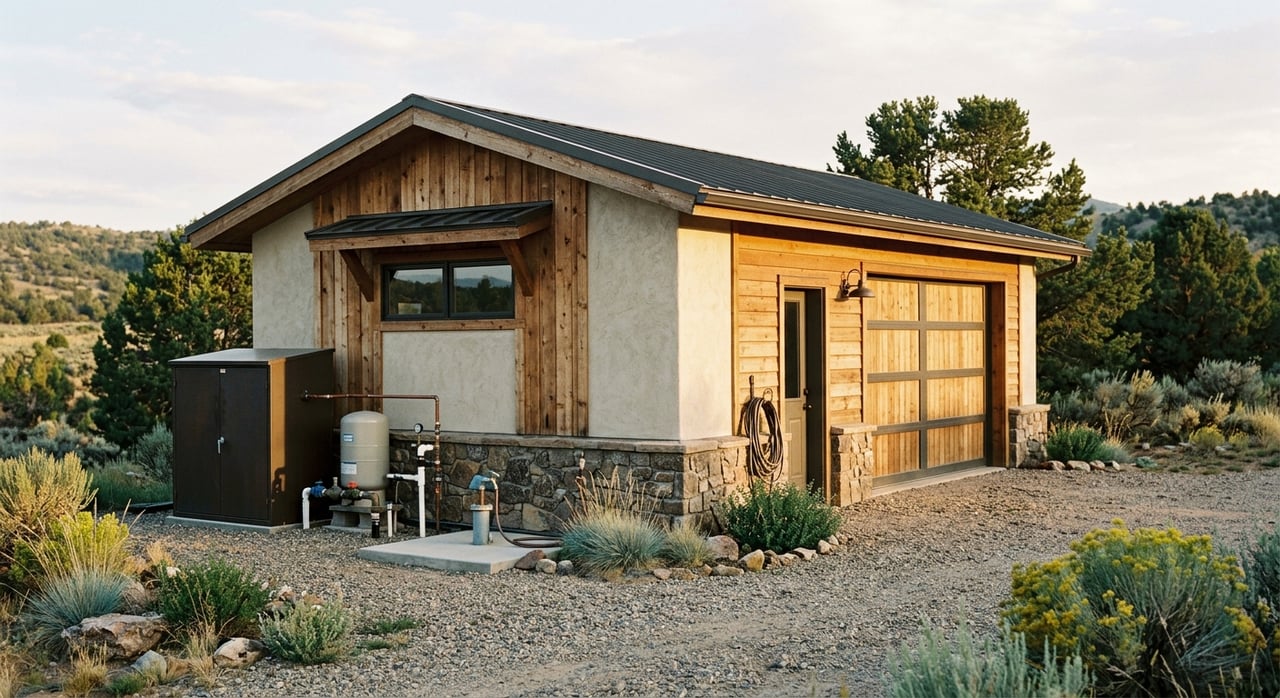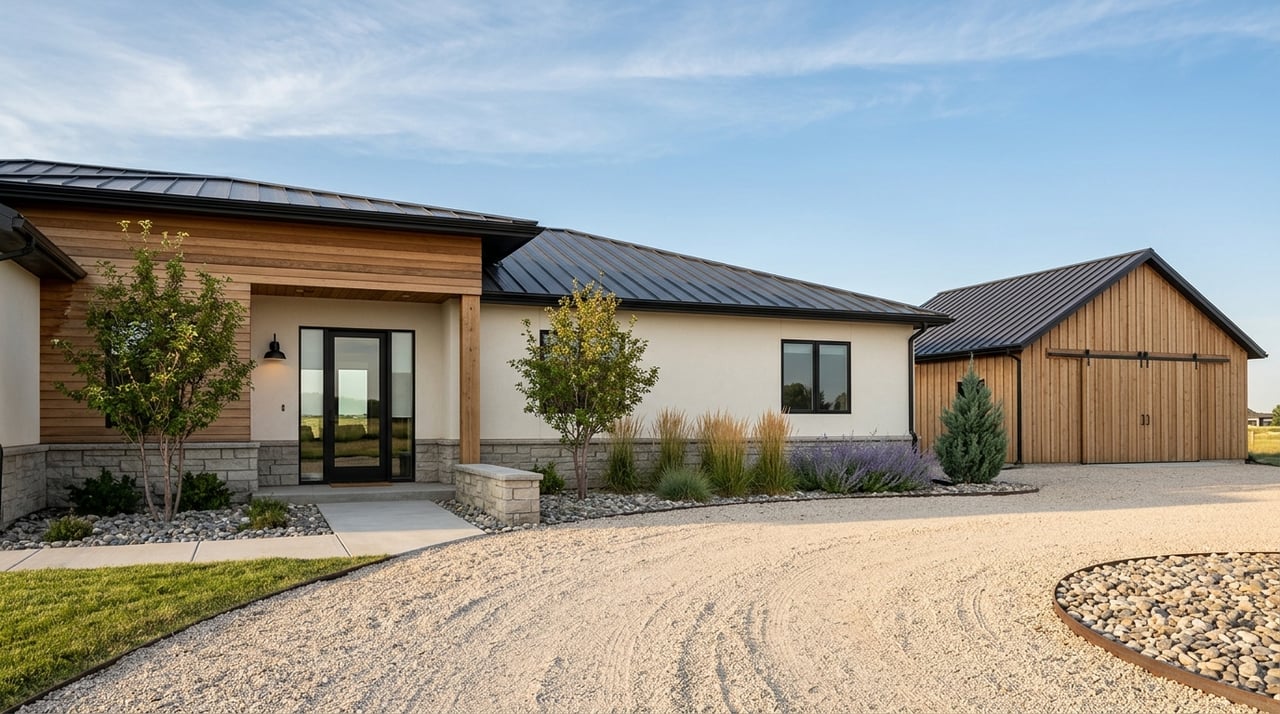
Dreaming about fresh eggs, a garden, a few animals, and room to breathe in Emmett? Hobby farm living can be incredibly rewarding, but it also comes with real planning, real rules, and real property details that matter before you buy. If you want a place that supports your lifestyle instead of surprising you later, it helps to know what to look for from day one. Let’s dive in.
Why Emmett Appeals to Hobby Farm Buyers
Emmett sits in a county with deep agricultural roots. According to the USDA’s 2022 Census of Agriculture, Gem County has 718 farms covering 199,547 acres, with an average farm size of 278 acres. That means many hobby-farm buyers in the area are looking for something much smaller than the county’s traditional commercial farm footprint.
That smaller-acreage niche is part of what makes Emmett appealing. Buyers often find properties ranging from about 1 acre to 40-plus acres, with features like barns, shops, irrigation, and garden space. For you, that creates options, but it also means each property can function very differently depending on location, water access, and county or city rules.
University of Idaho Extension also makes an important point for new acreage owners: small-acreage living is a management commitment, not just a scenic lifestyle choice. Soil, water, weeds, pasture care, livestock needs, and wildfire awareness can all become part of your routine. That is why the best first step is understanding how the land is set up before you fall in love with the view.
Start With Location and Zoning
One of the most important questions in Emmett is simple: Where is the property actually located from a jurisdiction standpoint? A parcel inside city limits can have very different rules than one in the Area of City Impact or fully in unincorporated Gem County.
That distinction matters because the approval path, animal allowances, and future service expectations can all change based on the property’s location. Gem County’s comprehensive planning also notes that the Emmett Area of City Impact is a joint planning area expected to transition over time toward more municipal service and higher-density development. If long-term land use matters to you, this is worth understanding early.
In unincorporated Gem County, zoning is often the first filter for hobby-farm buyers. County code says A-1 Prime Agricultural has a 40-acre minimum lot size, while A-2 Rural Transitional Agricultural and A-3 Rural Agricultural each have a 5-acre minimum. The county also defines agriculture broadly to include crops, livestock, poultry, dairying, and related husbandry uses.
If you are looking at land for animals, pasture, or outbuildings, zoning should shape your search from the beginning. A property that looks ideal in photos may not align with your intended use once you confirm the zoning district and minimum-lot requirements. That is one reason acreage buyers often benefit from a more detailed property review than a typical in-town home search.
Know the Rules for Animals
If your hobby farm dream includes chickens, horses, or other livestock, you will want to verify what is allowed before making assumptions. Rules inside Emmett city limits are much stricter than many buyers expect.
City code says livestock may not be grazed, pastured, or kept without a permit. Chickens also require a permit. The current code limits households to six hens, prohibits roosters, requires the coop to be in the backyard, and requires a minimum lot size of 5,000 square feet for chicken keeping.
That means a property with space for a garden and coop may still come with city-level restrictions that affect how you can use it. By contrast, unincorporated county properties may offer a different framework, depending on zoning and parcel size. The key is to match your plans to the actual rules, not the listing description.
Water Is a Major Piece of Ownership
In Emmett-area acreage, water can be one of the most important due-diligence items. University of Idaho Extension advises landowners to learn the basics of water rights and water shares and to work with the local irrigation district or canal company when setting up irrigation access.
This matters because Idaho water rights are governed by priority and beneficial use. The Idaho Department of Water Resources also states that water rights are real property rights and that ownership changes should be reported. If a property includes irrigation, you will want to understand exactly what transfers and what does not.
It is also important to know the difference between a domestic well and irrigation water. IDWR distinguishes domestic wells from irrigation wells, and irrigation wells require approved water rights. A home with a well is not automatically the same thing as a property set up to irrigate pasture, garden rows, or larger outdoor areas.
For many Emmett properties, irrigation district details are part of daily ownership. The Emmett Irrigation District notes that unpaid assessments can become a primary tax lien on the property. So when you tour acreage, ask whether irrigation shares exist, who handles delivery, whether assessments are current, and how the system actually works on that parcel.
Septic, Outbuildings, and Future Plans
A hobby farm often involves more than the house itself. You may be thinking about a barn, shop, shelter, fencing, corrals, or future additions. That makes septic review and accessory-use approvals especially important.
Southwest District Health oversees septic licensing and land-development review in Gem County. The agency recommends pre-development meetings for development projects and notes that county accessory-use approvals are required before building permits for additions such as shops, outbuildings, or other structures.
In practical terms, that means a property’s current setup may affect what you can add later. The location and capacity of the septic system can influence future building placement and expansion plans. If you are shopping with a vision for how the land should function, those details should be part of your early review, not an afterthought.
Watch for Flood, Drainage, and Access Issues
Land can look dry and usable during a showing while still having seasonal limitations. In the Emmett area, flood and drainage patterns deserve close attention.
The City of Emmett participates in the National Flood Insurance Program, and city flood zones are regulated under local code. Gem County flood planning also notes that the Emmett Valley flood pattern is complicated by canals and sloughs used for irrigation. For acreage buyers, that means low spots, canal corridors, and seasonal water movement can affect how land performs.
Access is another issue that can become expensive if overlooked. Gem County road standards state that new or upgraded access to county roads requires an approach permit, and county application materials note that a new driveway can trigger a driveway access permit. If you plan to change the entry, improve access for trailers, or build deeper into the parcel, ask what approvals may apply.
Questions to Ask When Touring Emmett Acreage
When you walk a property, try to look beyond the home and picture how the land works day to day. These questions can help you evaluate whether a parcel truly fits your hobby farm goals.
- What zoning district applies to the property?
- Is the parcel inside Emmett city limits, in the Area of City Impact, or fully in unincorporated Gem County?
- Are your intended animals allowed by right, by permit, or not at all?
- Does the property have irrigation shares, canal-company service, or only a domestic well?
- Are irrigation assessments current, and how is water delivered across the property?
- Is the septic system permitted and sized appropriately for the current home and possible future improvements?
- Are there easements or maintenance obligations for access, utilities, or irrigation?
- Would a new driveway or access change require county approval?
- Is any part of the property in a floodplain, drainage area, or canal corridor?
- Are pasture, fencing, shelter, manure handling, and weed control already in place?
These questions can save you time and help you compare properties more clearly. Two acreage listings with the same price and size can offer very different usability once you dig into the details.
Plan for Stewardship, Not Just Purchase
One of the best ways to approach hobby farm living is to think like a land steward from the start. University of Idaho Extension’s Gem County resources cover small-acreage farming, livestock production, water quality, pasture establishment, grazing management, weeds, and market gardening. Its Living on the Land series is designed to help new landowners build a practical plan for the property.
That mindset can help you buy smarter. Instead of only asking whether a property looks charming, ask whether it supports the routine you want to live. A great hobby farm property is not just attractive. It is functional, manageable, and aligned with your goals.
How The Shriner Group Can Help
Buying acreage around Emmett is different from buying a standard subdivision home. You may need to sort through zoning, animal-use rules, water questions, access details, and future land-use considerations before you can feel confident moving forward.
That is where experienced, local guidance matters. The Shriner Group brings a consultative approach to acreage, ranch, and equestrian properties, with the kind of practical support that helps you evaluate not just the home, but the full lifestyle fit. If you are exploring hobby farm living in Emmett, The Shriner Group can help you narrow the right properties and ask the right questions before you buy.
FAQs
What should I check first when buying a hobby farm in Emmett?
- Start by confirming whether the property is inside Emmett city limits, in the Area of City Impact, or in unincorporated Gem County, because zoning and use rules can change based on location.
Are chickens allowed on hobby farm properties in Emmett?
- Inside Emmett city limits, chickens require a permit, households are limited to six hens, roosters are prohibited, the coop must be in the backyard, and the lot must be at least 5,000 square feet.
Are livestock allowed on all Emmett acreage properties?
- No. Inside Emmett city limits, livestock may not be grazed, pastured, or kept without a permit, and county properties must still be reviewed for zoning and parcel-specific rules.
Why is irrigation so important for Emmett hobby farm properties?
- Irrigation is a major part of acreage ownership in the area, and you should verify whether the property has irrigation shares, who manages delivery, whether assessments are current, and how water rights or water access transfer.
Does a well mean I can irrigate my Emmett acreage?
- Not necessarily. Idaho distinguishes domestic wells from irrigation wells, and irrigation wells require approved water rights.
What property improvements should hobby farm buyers review in Gem County?
- You should review septic permitting, system location and size, accessory-use approvals for future structures, driveway or road-access requirements, and any floodplain or drainage concerns that could affect land use.